
Table of Contents
Minas Gerais is always a reference when it comes to gastronomic tourism.. In many destinations, the experience is not limited to churches, mountains, or historic centers: it extends directly to the table, markets, traditional bakeries, family-run restaurants, and artisanal products. The state’s official tourism itineraries themselves treat gastronomy as a central part of Minas Gerais’ identity, highlighting cities where eating well is just as important as sightseeing.
Belo Horizonte
If there's an ideal city to start this itinerary, it's Belo Horizonte. The capital appears in the official tourism curations as a major gastronomic hub, with emphasis on the Central Market, bar-style dishes, and restaurants serving traditional Minas Gerais cuisine.
Cheese Bread Stuffed with Pork and Cheese — Central Market
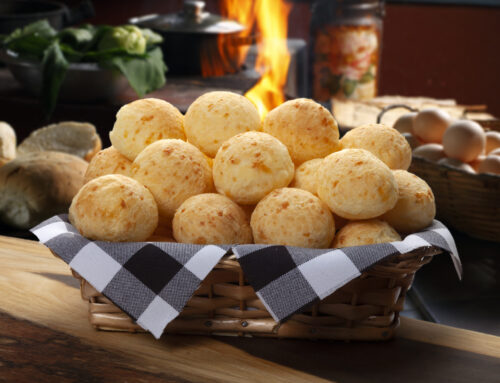
Cheese bread (pão de queijo) is one of the most iconic symbols of Minas Gerais cuisine, deeply present in everyday life, collective memory, and the culinary identity of the state. When filled with pork and cheese, it becomes an even stronger expression of a generous, flavorful cuisine closely tied to popular taste. At Comercial Sabiá, located in the Central Market of Belo Horizonte, you will find a particularly remarkable version of this classic, where the soft, slightly elastic dough of the cheese bread meets a generous filling, resulting in a highly satisfying combination. The Mercado Central de Belo Horizonte is one of the most emblematic places in the city to experience Minas Gerais cuisine in its most vibrant and traditional form, and Comercial Sabiá stands out for offering this experience in a simple, direct, and well-executed way.
Pumpkin stuffed with dried beef – Xapuri
Stuffed pumpkin is an extremely popular dish in the gastronomy of Minas Gerais, directly linked to rural home-style cooking; it represents the affection and the delicious traditions that exist within this vast state.. At Restaurante Xapuri, on Rua Mandacaru 260, you will find a perfect example of it, served with rice, beans, and collard greens; the dish easily satisfies a family. Xapuri is a recurring reference in the city’s gastronomic materials. They also highlight the cassava fritter and the tropeiro beans.
Tiradentes
Tiradentes is one of those towns where food, landscape and heritage
seem to go hand in hand. The official website of Minas Gerais describes the destination as a
mixture of history, culture and gastronomy, and an article dedicated to the city highlights
ingredients closely linked to Minas Gerais, such as chicken, okra, cheese and ora-pro-nóbis.
Frango com ora-pro-nóbis — Restaurante Ora ProNobis
In Tiradentes, one specific option for trying chicken with ora-pro-nóbis is Restaurante Ora Pro Nobis, in the city center, at R. Frei Veloso, 1117. The choice fits well with the local gastronomic profile, since ora-pro-nóbis is among the ingredients most associated with Minas cuisine. In addition to being rich in iron, calcium, fiber, and vitamins A and C, it strengthens the immune system – attributes that enrich the experience of eating well in Tiradentes.
Pirarucu com ravioli — O Provençal Restaurante
The choice of pirarucu is very symbolic; it is a fish native to the Amazon, one of the most emblematic of Brazilian biodiversity, with gastronomic, economic and environmental relevance in the country. In Tiradentes, a sophisticated place to try this fish is O Provençal, on the R. da Cadeia, 226A. The restaurant has a refined profile that stands out for its fine-dining proposal, the careful presentation of the dishes, and a charming, intimate atmosphere, praised by customers for the elegant experience and the soundtrack that helps shape the dinner.
Ouro Preto
In Ouro Preto, gastronomy gains an extra layer of meaning because it speaks to the city's historical richness. Eating there is a great way to extend the experience of the historic center through traditional recipes, service in old manor houses, and dishes that engage with the most classic repertoire of Minas cuisine.
Risotto Bianco – Passo Pizza Jazz
Risotto is a classic dish of Italian cuisine that, when reinterpreted in Minas Gerais, acquires new layers of flavor and identity. At O Passo Pizza Jazz, located in the historic center of Ouro Preto, the Risotto Bianco stands out as a sophisticated and well-executed option, combining tradition and creativity in a single experience. Prepared with Parmesan and accompanied by a succulent filet tournedos in a Grana cheese crust, finished with jabuticaba sauce, the dish achieves a balanced interplay of intensity and delicacy, bringing together European references and Brazilian ingredients. O Passo is one of the most recognized restaurants in the city, known for its welcoming atmosphere, good music, and a cuisine that values both technique and flavor. In this context, the Risotto Bianco presents itself as an ideal choice for those seeking a more refined gastronomic experience in Ouro Preto, while still maintaining a dialogue with local flavors and the richness of Minas Gerais cuisine.
Feijoada – Casa do Ouvidor
One of the most traditional dishes in Brazilian cuisine, feijoada is prepared with black beans and pork cuts, forming a recipe with a long historical trajectory in the country. It is a collective dish, closely tied to ancestry and to the formation of Brazilian cuisine through African, Indigenous, and European influences. At Casa do Ouvidor, the Feijoada do Ouvidor follows this tradition, prepared with selected meats and served with white rice, vinaigrette, orange slices, and farofa, elements that balance intensity, acidity, and texture.
Located in the historic center of Ouro Preto, Casa do Ouvidor stands out for offering cuisine in line with Brazilian traditions, with careful preparation and consistent presentation.
Itabirito
Itabirito is a destination where food practically organizes the visit. The town hall and the municipality's tourist materials present the Pastel de Angu Route as a structured experience, with identified establishments and a proposal designed to value the dish as local heritage. The municipality itself also records the historical origin of the pastel de angu in the 19th century.
Pastel de angu -Jeca Tatu restaurant and museum
Restaurante e Museu Jeca Tatu is a place that blends Minas gastronomy, memory, and popular culture in an environment filled with old objects and a nostalgic atmosphere. On the BR-356 highway, the place is known for combining an outing, a multicultural collection, and home-style food, with recurring and honored emphasis on pastel de angu.
Free-range chicken with pirão – Emporio 77 Bar e Bistrô
Empório 77 is a bistro with a more refined proposal, located at Rua Matosinho 77, with a charming and rustic atmosphere that suits a more elegant gastronomic experience. Here we highlight the chicken with pirão, a true sensory explosion on the palate, but the restaurant’s public channels also emphasize more elaborate dishes, such as mushroom risotto, caprese risotto, and filet mignon with roti sauce, which reinforces its profile of more polished cooking within the city’s circuit.
Juiz de Fora
Juiz de Fora is one of the most important cities in the Zona da Mata region of Minas Gerais and stands out for combining urban life, cultural tradition, and good gastronomy.. The city is a reference especially in cultural, business, and events tourism, in addition to having important museums and standing out in the bar and restaurant scene, always due to its welcoming way of receiving visitors.
Tempurá do Sertão -Reza Forte
In Juiz de Fora, a good stop to include in the itinerary is Reza Forte, at Rua Doutor João Pinheiro, 356, which works with the language of the Minas boteco from a creative perspective and in a relaxed, youthful environment. One example is the Tempurá do Sertão, a Comida di Buteco snack: tempura of sun-dried beef stuffed with firm requeijão cheese, accompanied by torresmo paçoca, peanuts, rapadura, and sesame. In addition to an extensive menu of sandwiches, pizzas, and snacks, the restaurant also has a harmonious menu of signature drinks, carefully designed to enrich the experience and reformulate the classic standards of mixology.
Antônio’s Jiló – Antonio’s Bar
Jiló is almost a protagonist of Minas cuisine, but it is at Rua José Lourenço 1262 that you will find its tastiest version. Cut into slices and breaded in panko flour and Canastra cheese, it is fried and finished with Catupiry and biquinho pepper. The dish has crunch and an unmatched flavor. In addition, the venue is spacious and relaxed, has a kids’ area, and weekly welcomes local artists for samba and roots sertanejo. They are even receptive to your pet there, which will be very welcome and fussed over.
São Lourenço
São Lourenço enters this guide by a different route: that of the delicacies of the Mantiqueira. Official tourism materials describe the city as the birthplace of Brazil's first requeijão cheese, a reference in traditional sweets, and a producer of award-winning specialty coffees. There is also an official tourist route that includes a visit to the Municipal Market and a stop at a sweet factory, reinforcing this profile as a destination for tasting and shopping.
Filet mignon in Madeira sauce with Piemontese rice – Casa Branca Restaurant
In São Lourenço, an elegant stop to include in the itinerary is Casa Branca Restaurante, at Alameda João Lage, 161, store 22, downtown, in front of Parque das Águas. The space is known for its pleasant view and a more refined proposal, ideal for those seeking a more sophisticated gastronomic experience in the city. Among the dishes promoted by the house, it is worth trying the filet mignon with Madeira sauce and Piedmont-style rice, in addition to options such as filet mignon risotto with cheese sauce and filet mignon with gorgonzola sauce. The environment works well for a more special lunch or dinner, combining good presentation, a charming atmosphere, and contemporary cuisine.
Tropeiro Beans and Minas Gerais Food – Casarão Restaurant
For an experience more connected to regional tradition, Restaurante Casarão, at Avenida Comendador Costa, 717, downtown, is a great choice in São Lourenço. The restaurant is presented by local guides as a self-service place specialized in Minas food, highly sought after by those who want a hearty, home-style, and varied lunch. Among the most frequently mentioned flavors, feijão tropeiro stands out, along with torresmo, grilled meats, and other typical preparations that reinforce this profile of classic Minas cooking. The space has a welcoming atmosphere and works well for those who want to try tradition.
More than simply suggesting where to eat, this journey proposes a way of traveling—one that is attentive to ingredients, techniques, contexts, and the narratives that unfold around food. By bringing together tradition, invention, and hospitality, Minas Gerais reaffirms its position as one of Brazil's most compelling destinations for those seeking gastronomic experiences that go beyond taste, engaging with memory, culture, and a sense of belonging.

Leave A Comment