Table of Contents
Ouro Preto, in the state of Minas Gerais, is one of Brazil’s most emblematic destinations when it comes to history, architecture, and culture. With its cobblestone streets, baroque churches, and mountainous landscapes, the city preserves significant traces of the colonial period while offering an experience that blends historical heritage with a warm and distinctive atmosphere.
Over the course of three days, it is possible to explore its main landmarks, discover its rich artistic traditions, and experience the cuisine of Minas Gerais at different moments of the day. This itinerary provides a balanced combination of cultural visits, walks through the historic center, and moments to pause and appreciate the city at a slower pace, allowing for a deeper immersion into the everyday life and history of Ouro Preto.
Day 1 — Historic Center and First Flavors of Minas
A great starting point is Tiradentes Square, which captures the essence of the city with its statue of Tiradentes, cultural institutions, and colonial buildings such as the former town hall. The Inconfidência Museum is also located here and is one of the most important visits to understand the region’s history, politics, sacred art, and urban development. As the museum offers free admission and extended hours on certain days, it is well worth including it on the first day.
For lunch, choose a restaurant in the city center to delight your palate with local gastronomy. Among the highest-rated options currently are Escadabaixo Bar Cozinha, O Passo Pizza Jazz, and Tropea Cantina Armazém, all of which receive excellent reviews among Ouro Preto’s restaurants for both lunch and dinner. For the first day, visiting Escadabaixo can be especially appealing if you are looking for regional cuisine in a relaxed setting, or O Passo if you want to listen to good music, discover a new wine, and rest between walks.
In the afternoon, visit the Church of São Francisco de Assis, a landmark of Brazilian architecture recognized for its baroque aesthetics, and stroll through the surrounding hills and viewpoints at a leisurely pace. Observe colonial façades, artisan studios, and shops specializing in soapstone and gemstones. In the evening, Tropea offers a calm and pleasant dinner experience, with pasta, risottos, and refined desserts.
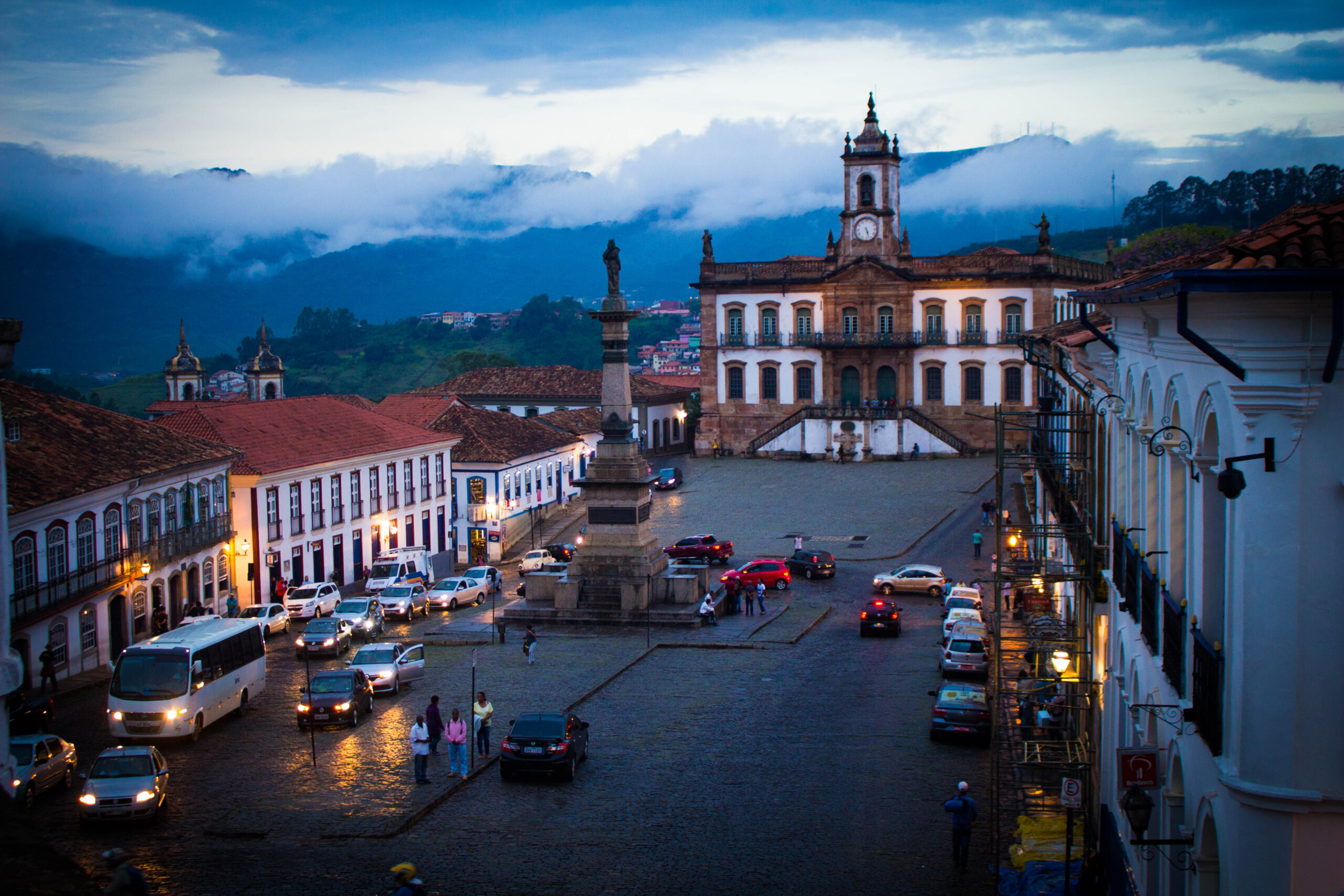
Praça Tiradentes, Ouro Preto, MG
Day 2 — Churches, Sacred Art, and Minas Cuisine
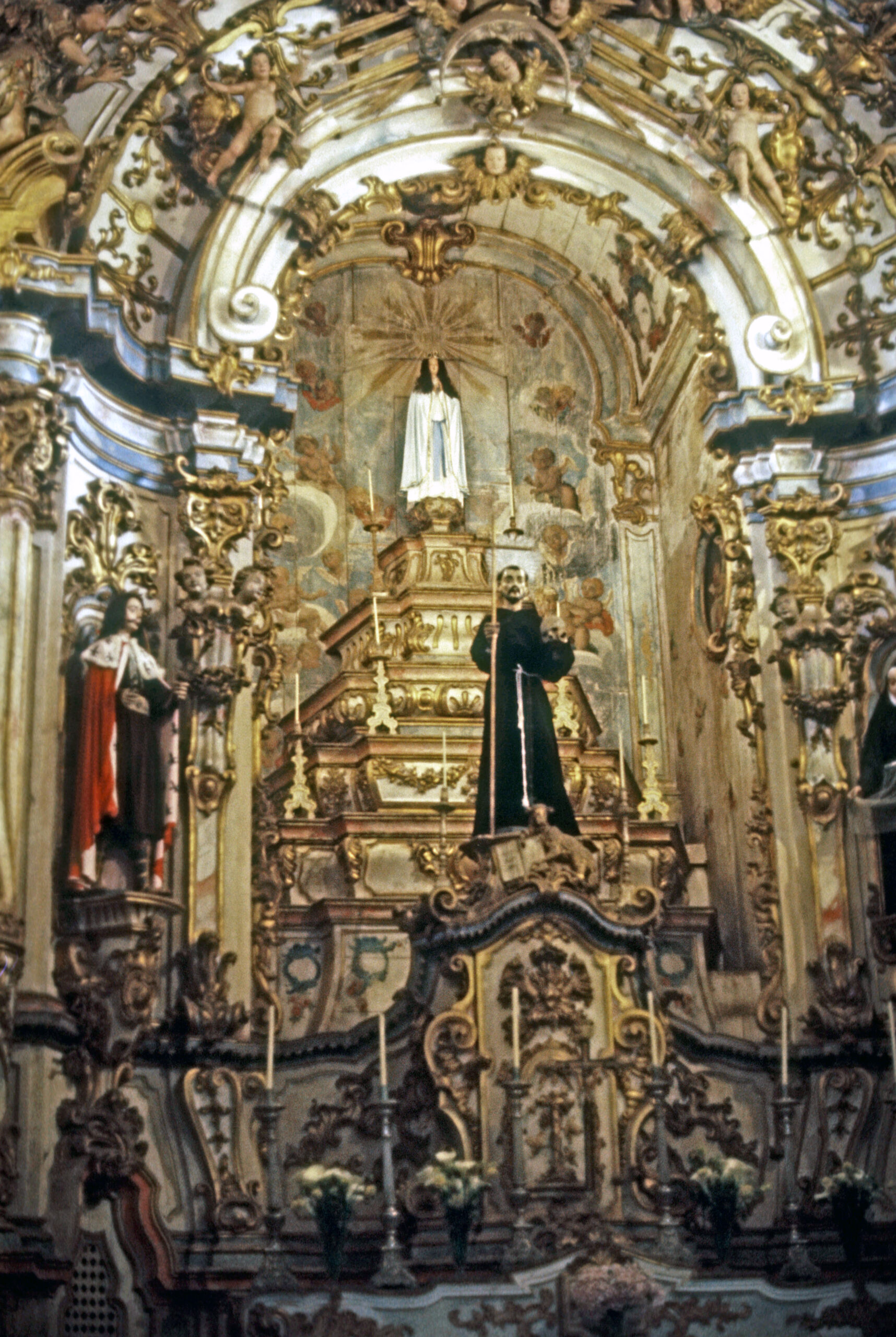
Altar of the Church of Saint Francis of Assisi in Ouro Preto
Reserve the second day for an artistic and religious tour. Start at the Basilica of Our Lady of Pilar, a resplendent visual landmark for the city with its interior full of gilded carvings, as well as a sacred art museum located in the basement. Then head to the Church of Nossa Senhora do Rosário dos Pretos, a building whose curved façade carries a story of struggle and resistance that helps to broaden the historical and social reading of Ouro Preto beyond the most obvious circuit. The church is located in the Rosário neighborhood, so you can take the opportunity to visit the Padre Faria Chapel, which also has a strong connection with the history of Black communities in the city. As the churches have relatively concentrated visiting hours, it is best to plan this block for the morning.
For lunch, seek a more traditional and unhurried experience. Sit down and enjoy regional dishes, desserts, cachaças, and coffee. In addition to the previously mentioned restaurants, Varanda 1921 is also a reliable choice. Toward the end of the day, a wine bar such as Tanino Wine Bar provides a more refined start to the evening.
In the afternoon, leave room for a more flexible visit: gem and craft markets, small museums, historic houses, and occasional seasonal cultural programming. Throughout the year, the city hosts a variety of events and festivals focused on culture, cinema, and music, in addition to religious celebrations. The city hall maintains an events portal and an annual calendar with cultural activities, so it is worth checking what is happening during your travel dates.
Day 3 — Casa dos Contos, Crafts, and a Scenic Farewell
Start the morning at the Casa dos Contos Museum, which is open from Tuesday to Saturday, from 10 a.m. to 6 p.m., with free admission. It is a good choice for the last day because it brings together historic architecture, collections, and a lighter visit than an extensive circuit of churches, while also preserving inside the history of the gold cycle and Brazil’s currency.
Afterward, take an unhurried walk around the historic center and stop by the Largo de Coimbra Handicraft Fair, a traditional spot to find souvenirs, handmade works, and objects connected to local culture. This brings the cultural part of the itinerary to a close without rushing.
For lunch, the best option is to choose a well-located restaurant in the historic center and enjoy a longer meal. Among the places that lead the list of highly rated options is Calabouço Gastro Pub, if you want a more “classic Ouro Preto” ending. It is also worth considering Bené da Flauta, often mentioned for combining Minas Gerais cuisine with a view of the Church of Saint Francis of Assisi area.
In the afternoon, keep the itinerary more open for what Ouro Preto does best: contemplation, coffee, photos, and small discoveries. You can walk again around the Praça Tiradentes area, revisit a favorite spot from the trip, or include an activity from the official cultural agenda, with exhibitions, museums, and seasonal events.

View from above of Ouro Preto
At the end of the three days, Ouro Preto presents itself as a city that goes beyond its postcards. The combination of historical heritage, sacred art, gastronomy and landscapes creates a complete experience, which is built up both in the great monuments and in the short walks along the hillsides. The trip develops in a balanced way, with information, contemplation and pleasure.
The itinerary allows you to explore the main highlights in an organized way, without giving up more unstructured moments, essential for feeling the city’s rhythm, which establishes itself as a destination that welcomes different ways of traveling, always offering new layers for those who walk its streets, whether on a first visit or on a future return.



Leave A Comment